The double glazing trend took off in the 1970s when aluminium windows, sliding patio doors, and secondary glazing were introduced.
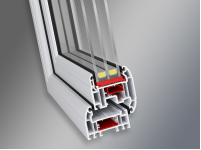
In the 1980s, property prices were starting to increase, uPVC windows were introduced to the UK from Germany and replacement windows were all the rage. Aluminium was a cold material and the thermal break systems weren’t effective, causing the frames to condensate (sweat) in the colder months. uPVC was warmer. Outward-opening uPVC windows were externally glazed (the glazing beads were fitted on the outside) and were installed with poor security ‘cock-spur’ handles. Georgian window styles could now be achieved using a white bar in-between the window panes and leaded designs were rife. Moulded uPVC door panels were introduced, providing a variety of designs resembling timber doors, including woodgrain options for a fresh home appearance. Looking back, this era was not ideal for property aesthetics.
As we moved into the 1990s, PVC windows had gained immense popularity. In the 2000s, most uPVC window manufacturers began providing internally glazed windows with improved security features and softer frames. Initially, the glass-surrounding gaskets were large, black, and ill-fitted. The replacement with white gaskets generated excitement, but they were eventually eliminated due to dirt and mildew accumulation, leading to a switch back to black gaskets. For a more authentic Georgian appearance, external Georgian bars were offered as an option. While these were more challenging to clean compared to internal bars, they contributed to uPVC windows resembling traditional timber windows.
In 2010, the glazing industry experienced a revolution. There was a surge in the need for top-notch, low-maintenance windows that offered the performance of uPVC windows but with a different appearance. Homeowners with high-value properties preferred windows resembling timber without the upkeep and maintenance typically linked to timber windows.
UPVC profiles are currently offered in smooth or textured finishes and various colours.
Advances in precision manufacturing have led to cleaner corners and mechanical joints, allowing UPVC windows to closely resemble timber windows. Thus, the Timber-Alternative Window was introduced. These top-notch windows offer homeowners the option of replacing their windows with UPVC ones without sacrificing style.
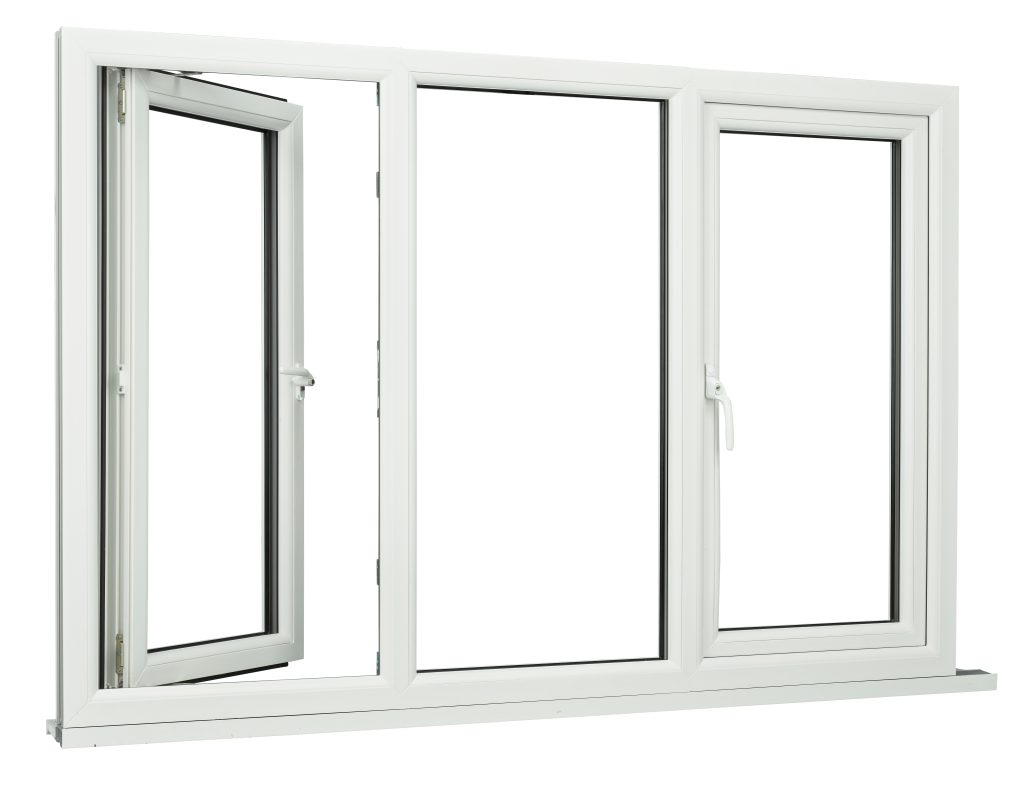
In the past decade, there has been a resurgence in the demand for replacement windows, with design becoming the primary driver for window replacements. Options now include flush or standard casements, traditional sliding sash windows, and a wide range of colours from soft whites to modern and stylish greys. These windows are versatile and can be installed in any property type, whether it’s a charming cottage, Victorian terraced house, or a modern new build.
Formula One Range has been manufacturing UPVC products to the highest quality since 1998, and delivering to the trade throughout the UK.
Contact us for more information on 01922 412333