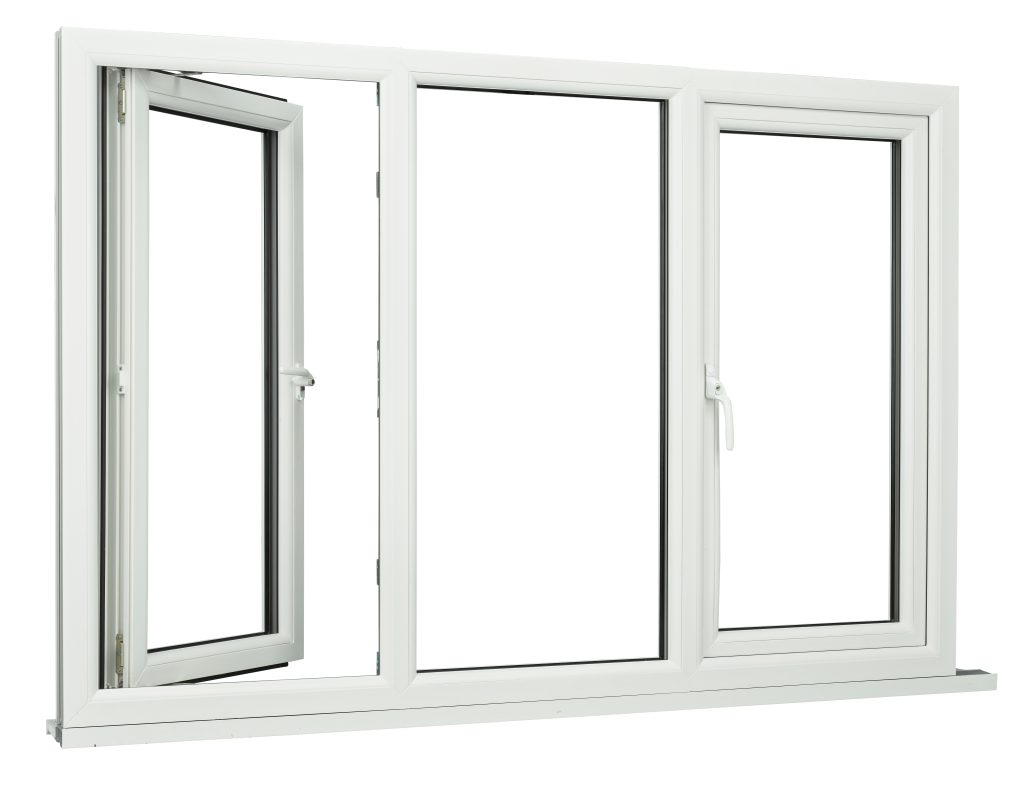
It’s common to observe residue on glass surfaces following window installation due to the manufacturing and transportation processes.
Glass is delicate, requiring protection from damage during manufacturing, fabrication, storage, and transit.
To prevent scratches or breakage, separator pads and suction cups are typically used, leaving behind some residual marks on the glass.
Although these marks will diminish over time, they may become more visible during natural occurrences like condensation.
If you wish to hasten the dissipation process and restore the windows to a pristine state, read on to learn how to remove sticker residue from glass or contact us at 01922 412333 for expert aftercare guidance.
Residue on New Glass: Its Origins
If you notice residue on recently installed windows, it probably originated from the manufacturing and transportation phases.
Glass fabrication and installation often leave marks that are quite common.
Various methods are employed during window fabrication and installation to process, store, transport, and install glass.
These techniques aim to prevent glass-to-glass contact or damage, ensuring safe handling.
The processes involve using separator pads and suction cups for the transportation and separation of glass.
Separator Pads and Suction Cups
Suction cups are utilised in the manufacturing and installation phases to safely manoeuvre large glass panes, while separator pads act as buffers between glass to prevent scratches during transit.
These tools, though leaving no visible residue on the glass surface under normal circumstances, may become noticeable in specific situations, such as:
- Condensation
- When condensation forms on the outer glass surface, the outlines of separator pads and suction cup marks might become visible.
- Condensation on the exterior glass unit is a natural occurrence, indicating the window is functioning as intended by insulating heat.
- Wet Glass
- Under a microscope, the glass surface reveals tiny ridges.
- Microscopic particles from separator pads and suction cups can settle in these ridges, altering the glass texture and affecting water droplet adhesion.
- This explains why marks from these tools are more apparent on wet glass than on dry glass.
While these marks do not impact the glass’s functionality, performance, or lifespan, they may be noticeable or bothersome once observed.
Removing Suction Cup Marks, Separator Pads, or Sticker Residue from Glass
Over time and with regular glass cleaning, these marks will naturally fade due to exposure to the elements.
In the meantime, you can reduce or eliminate these marks by using a glass polishing agent like CRL’s cerium oxide mixed with water.

Cleaning Guidelines Using Cerium Oxide
For residue removal, follow these steps:
- Create a water paste by mixing cerium oxide with water.
- Apply the cerium oxide water paste onto the glass in a circular motion with light pressure, using a clean lint-free cloth (note: cerium oxide is abrasive and may cause scratching without light pressure).
- Repeat the process 3-5 times on the affected area to eliminate residue.
- Immediately rinse the glass surface thoroughly with clean water to remove the cerium oxide paste.
- Dry the glass surface with a sponge or a clean, lint-free cloth.
After completing these steps, you should observe an enhancement in the glass’s appearance. If residue remains, repeat steps 2, 3, and 4.
Important Notes:
- When cleaning glass, start from the top and work your way down systematically.